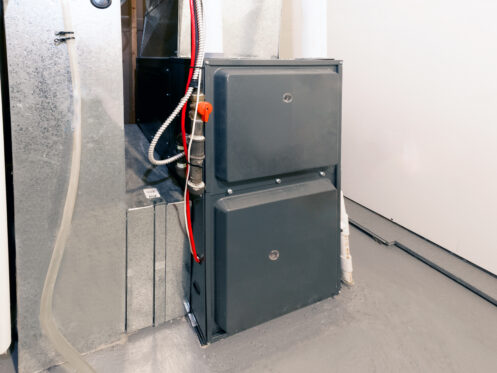
A high temperature limit switch helps protect a furnace from overheating by monitoring internal temperature. It can shut off the burners when temperatures rise too high. Depending on the furnace design, it also works with the blower during normal operation.
What should Playa Vista homeowners look out for to know when something is wrong? Repeated limit switch trips usually mean the furnace needs attention. The switch may be reacting correctly to restricted airflow or another overheating condition. In other cases, the switch or its control circuit may be faulty. Understanding the difference helps you know when professional furnace service is appropriate.
What Is a High Temperature Limit Switch?
A furnace high temperature limit switch is a safety and operating control inside the heating system. It senses temperature near the furnace’s heated air path. If temperatures exceed the control’s limit, the switch interrupts burner operation to reduce any further heat buildup.
Some furnace designs also use the control to help manage blower operation. The blower moves heated air through the ductwork and helps carry heat away from the furnace. Exact operation varies by furnace model and control design.
Temperature problems can develop even when the switch itself works normally. That is why repeated trips deserve more than a quick reset. A technician can compare measured temperatures with manufacturer specifications and inspect the conditions affecting airflow.
The switch’s temperature setting is matched to the furnace design and operating limits. Using the wrong replacement part can affect normal operation and safety response.
What Happens When the Limit Switch Trips?
When the high limit activates, the burners may shut off before the thermostat reaches its setting. However, the blower can continue running while the furnace cools. This behavior helps reduce the temperature around the heat exchanger and other heated components.
Repeated trips can create short heating cycles and inconsistent comfort. Some rooms may feel cooler because each burner cycle ends too soon. The furnace may also stop operating normally until temperatures fall or the control resets.
One trip does not identify the cause by itself. The same symptoms can result from several airflow, control, or equipment problems.
Some furnaces display diagnostic codes after repeated limit trips or abnormal cycles. Those codes can help a technician narrow the problem before testing individual components.
Common Reasons a Furnace Limit Switch Keeps Tripping
Repeated limit trips often happen when the furnace cannot move enough air or control temperature correctly. The switch may be responding to an overheating condition rather than failing itself.
- Dirty or clogged air filters
- Restricted airflow through the system
- Blocked or closed supply vents
- Dirty blower components
- An overheating heat exchanger
- A faulty high limit switch
- Improper furnace sizing or installation issues
A dirty filter is one of the easiest conditions for a homeowner to check. Use the correct filter size and type for your furnace. Keep supply and return openings clear of furniture, rugs, and other obstructions.
If those basic checks do not solve repeated shutdowns, schedule a professional diagnosis. Internal blower, electrical, combustion, and control problems all require trained service.
Can You Reset a Furnace High Limit Switch?
Many furnace limit controls reset automatically after the internal temperature returns to an acceptable range. Some systems may use controls that require a different reset or service procedure. Follow the furnace manufacturer’s instructions rather than guessing.
Repeatedly resetting a safety control does not correct the reason it activated. Never bypass, disable, or alter a furnace limit switch. Doing so removes an important protection against overheating.
If the furnace repeatedly reaches its high limit, stop treating the reset as the solution. A technician should determine why temperatures are climbing too high.
When to Call for Furnace Repair in Playa Vista, CA
You should schedule furnace repair when the system repeatedly overheats, shuts down early, or struggles to heat the home. New burning odors or unusual operating sounds also deserve professional attention. Stop using the furnace if smoke or a carbon monoxide alarm goes off when using it.
A technician can check temperature rise, airflow, blower operation, electrical controls, and the limit switch itself. That process helps separate a failed switch from an airflow or equipment problem. Early diagnosis may also reduce the chance of additional component damage.
Temperature rise is another useful diagnostic clue during furnace service. Technicians compare supply and return air temperatures with the furnace manufacturer’s approved operating range.
A limit switch problem can sometimes appear intermittent rather than constant. Tracking when shutdowns occur, such as after long cycles, can give technicians helpful diagnostic information.
Playa Vista homeowners should also request service when the blower runs unusually long after repeated burner shutdowns. A persistent pattern is more useful diagnostically than a single unusual cycle.
Professional service is especially useful when a limit switch keeps tripping after simple airflow checks. The goal is to identify the cause rather than repeatedly clear the symptom.
Keep Your Furnace Running Safely With Belle Air Services
A working high temperature limit switch protects the furnace when operating temperatures become excessive. Annual maintenance can help uncover dirty components, airflow restrictions, and other conditions that may contribute to overheating.
Belle Air Services provides gas furnace services in Playa Vista for heating concerns and annual system maintenance. Our woman-owned and veteran-owned company has served Playa Vista homeowners since 2018. Our team includes NATE-certified technicians who can evaluate furnace operation and safety controls.
Contact Belle Air Services in Playa Vista to schedule a technician to look at your furnace’s limit switch and the rest of your furnace today.
Frequently Asked Questions
A furnace high limit switch can cause confusing symptoms when it trips or fails. Homeowners often have questions about what causes these problems and when service is necessary. These answers explain common limit switch concerns and when professional diagnosis makes sense.
Restricted airflow is a common reason a furnace reaches its high temperature limit. Dirty filters, blocked vents, blower problems, or installation issues can reduce heat removal. A faulty switch can also trip incorrectly, so repeated problems need proper diagnosis.
A bad limit switch can cause burner shutdowns, unusual blower operation, or a furnace that will not run normally. Those symptoms can also come from airflow or control problems. A technician can test the switch and compare its behavior with actual furnace temperatures.
Do not intentionally use a furnace with a known faulty high limit switch. The control is designed to stop burner operation when temperatures become excessive. Have the problem diagnosed before returning the furnace to normal use.